




Dedicated Freight Corridors transforming freight transportation landscape in India
New Delhi [India], September 8: The operationalisation of Dedicated Freight Corridors (DFCs) is bringing a significant transformation to India’s freight transportation network by providing high-capacity, faster, more efficient and reliable rail connectivity between major industrial, manufacturing and logistics centres across the country. The existing DFC network comprises two major corridors, the Eastern Dedicated Freight Corridor [...]

New Delhi [India], September 8: The operationalisation of Dedicated Freight Corridors (DFCs) is bringing a significant transformation to India’s freight transportation network by providing high-capacity, faster, more efficient and reliable rail connectivity between major industrial, manufacturing and logistics centres across the country.
The existing DFC network comprises two major corridors, the Eastern Dedicated Freight Corridor (EDFC) and the Western Dedicated Freight Corridor (WDFC), together spanning approximately 2,843 km.
The 1,337-km EDFC begins at New Sahnewal in Punjab and extends through Haryana and Uttar Pradesh to New Sonnagar in Bihar. The 1,506-km WDFC starts at New Dadri in Uttar Pradesh and passes through Haryana, Rajasthan and Gujarat before reaching New JNPT in Maharashtra.
This year’s Union Budget also announced a third Dedicated Freight Corridor, which will connect Dankuni in West Bengal with Gujarat via Jharkhand, Chhattisgarh and Maharashtra. The proposed corridor will expand the country’s dedicated rail freight network and strengthen connectivity between key industrial and logistics centres.
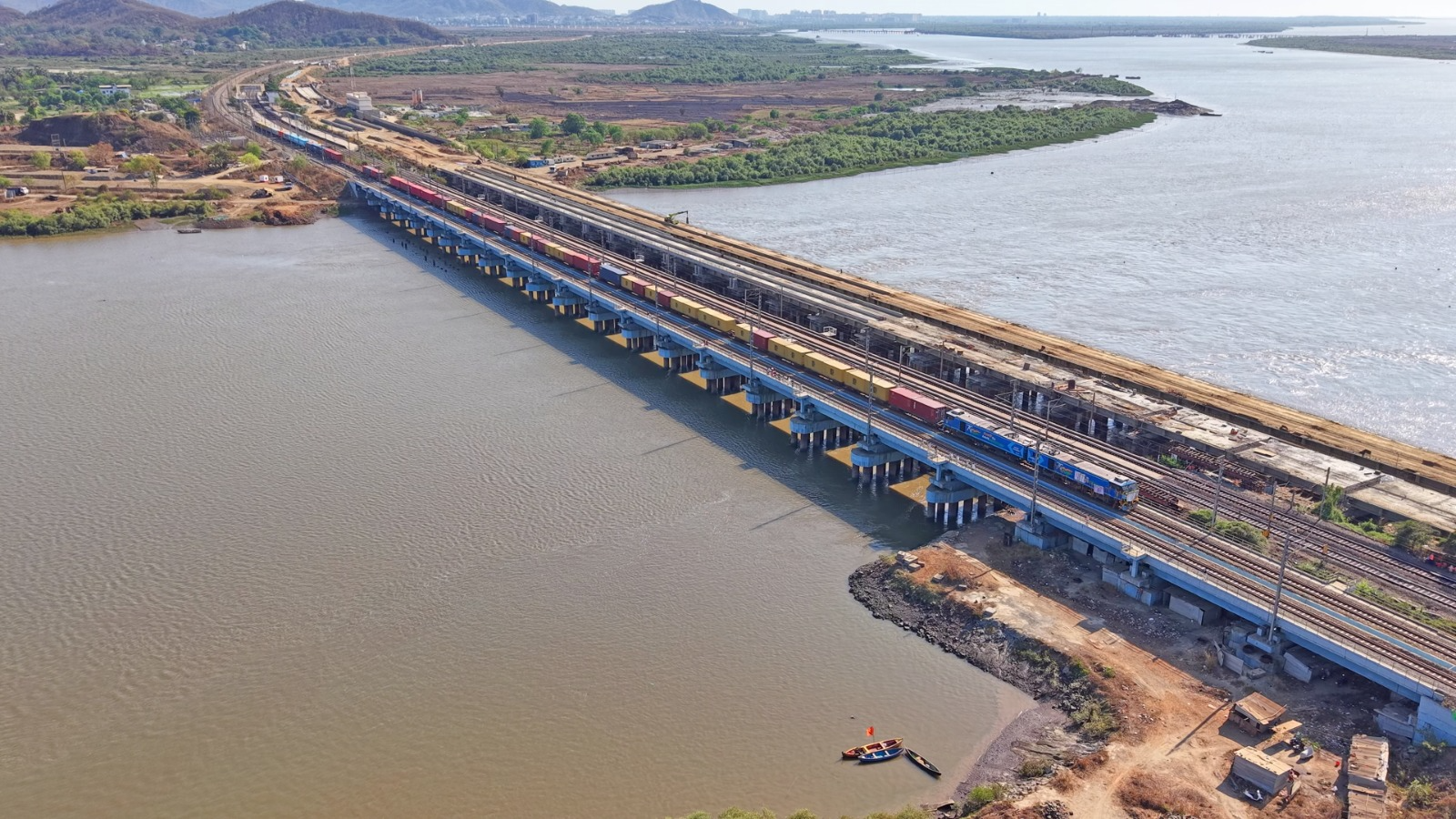
Together, the EDFC and WDFC are creating a high-capacity dedicated rail freight network that connects major industrial and manufacturing regions with important logistics hubs and ports. This is enabling faster and more efficient movement of goods across key freight routes.
One of the significant changes brought about by the DFC network is the direct connectivity of double-stack container trains to important ports. The ability to operate double-stack container trains has increased freight-carrying capacity and is helping improve the efficiency of long-distance rail transportation.
The DFCs are also helping increase the speed of freight trains while reducing the pressure of freight traffic on the existing railway network. This, in turn, is creating additional capacity for passenger train operations and improving the overall utilisation of the railway infrastructure.
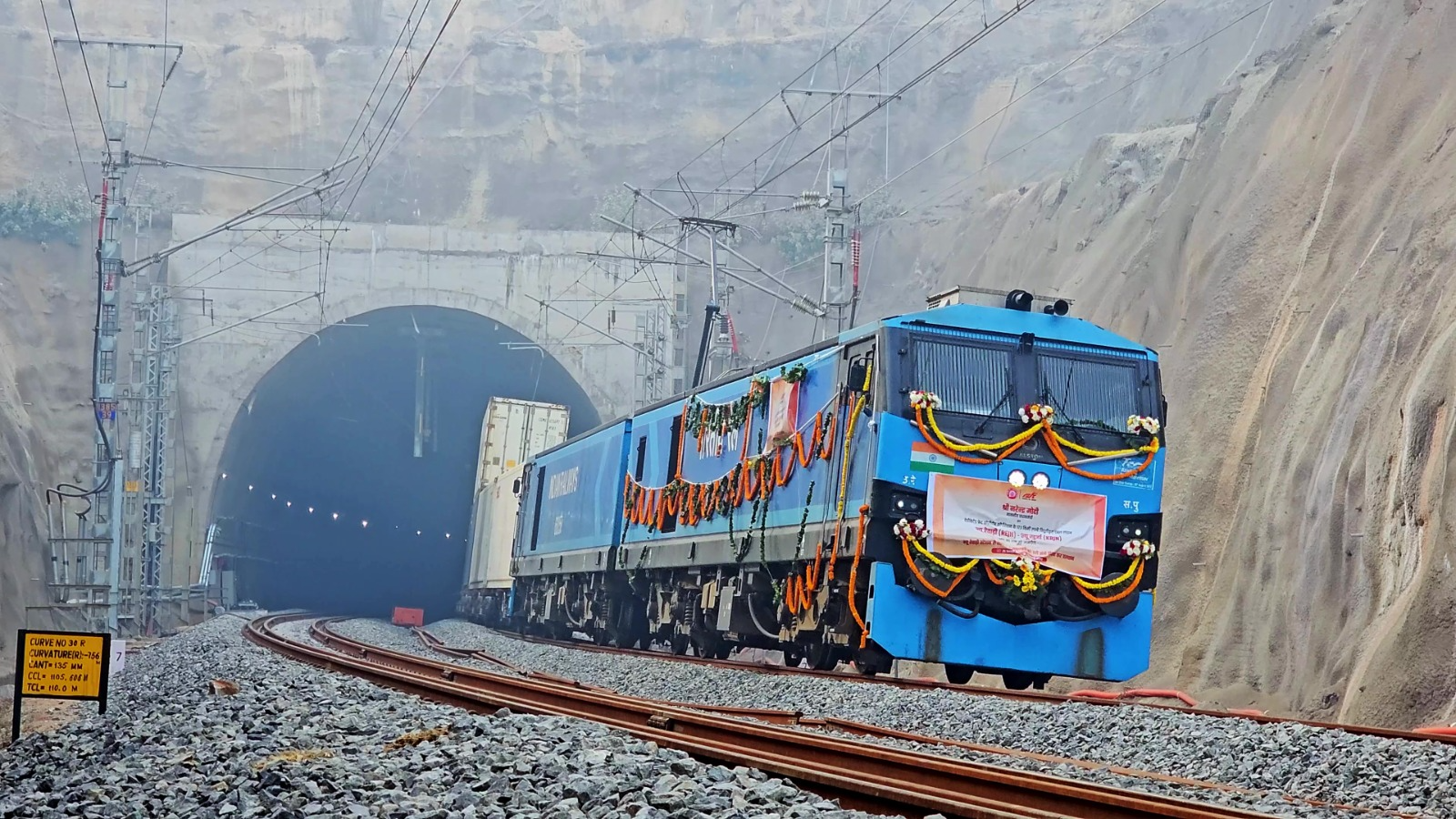
The development of the dedicated corridors is expected to contribute to greater logistics efficiency and more streamlined supply chains, while supporting economic growth. By providing dedicated infrastructure for freight movement, the corridors are helping create a more efficient transportation system for moving goods.
The EDFC and WDFC together represent an important piece of infrastructure in the country’s efforts to modernise its freight transportation system and make the movement of goods more efficient and competitive
If you object to the content of this press release, please notify us at pr.error.rectification@gmail.com. We will respond and rectify the situation within 24 hours.